The Best Fluffy Pancakes recipe you will fall in love with. Full of tips and tricks to help you make the best pancakes.

Category Modern History

18th century to the 20th century.

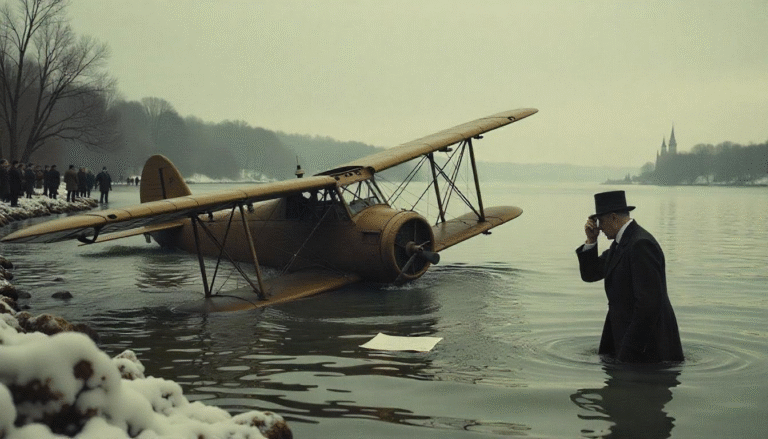
Samuel Langley’s Aerodrome: Why the Smithsonian’s 1903 Flying Machine Crashed Into the Potomac
The Tragic Tale of Aviation's First Epic Fail

On October 7 and December 8, 1903, Samuel Langley's $50,000 Aerodrome A was catapulted off a houseboat on the Potomac and dropped straight into the river. Nine days after the second crash, the Wright brothers flew at Kitty Hawk. The engine was brilliant. The airframe couldn't survive launch, and the aircraft had no roll control. This is what actually happened.
The Wright Brothers’ 1901 Glider Failure and the Wind Tunnel That Saved Aviation

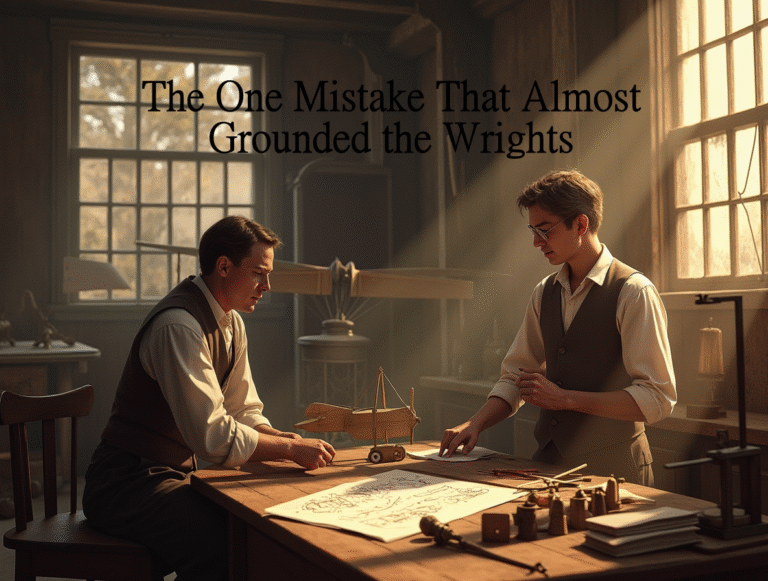
The One Mistake That Almost Grounded the Wrights

The Wright Brothers' 1901 glider generated only a third of the lift Otto Lilienthal's tables predicted. On the train home from Kitty Hawk, Wilbur said man would not fly within a thousand years. Then they built a wind tunnel in their bicycle shop, tested 200 wings, and discovered the published aerodynamic constants had been wrong since 1759. Two years later they flew.

Japanese American Incarceration in World War II: The Camps, the Labor, and the Apology

On February 19, 1942, President Roosevelt signed Executive Order 9066. Within five months, 120,000 people of Japanese ancestry — two-thirds of them US citizens — had been removed from the West Coast and confined in ten camps where they worked for $12 to $19 a month, building the infrastructure of their own incarceration. The apology came 46 years later. This is what actually happened.

Chinese and Irish Workers on the Transcontinental Railroad, 1863–1869

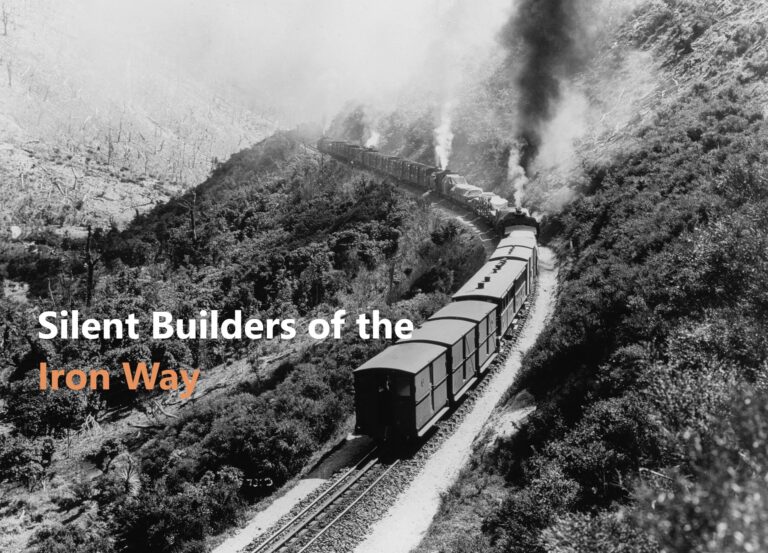
Silent Builders of the Iron Way

By 1868, approximately 15,000 Chinese workers — recruited from Guangdong Province through the credit-ticket system — made up 80 percent of the Central Pacific's workforce. They drilled through Sierra Nevada granite by hand, dug tunnels under forty feet of snow, and went on the largest organised strike by Asian workers in nineteenth-century America. None of them appear in the famous photograph of the railroad's completion. This is who actually built it.

American Slavery, 1619–1865: A Historical Overview

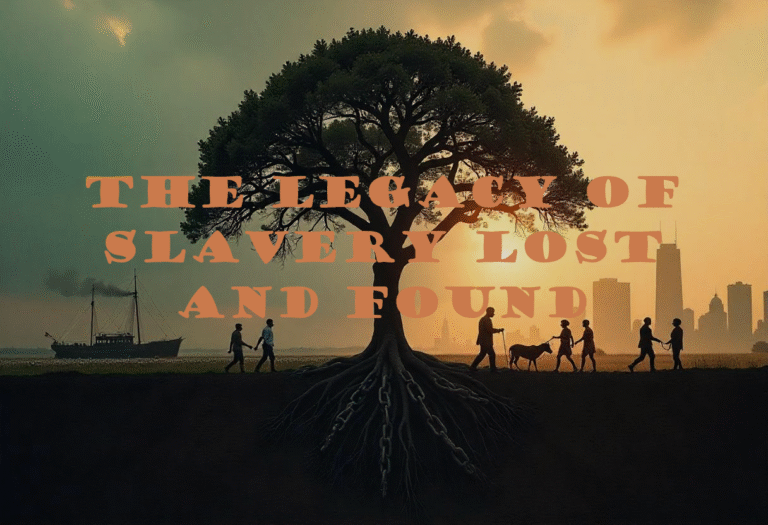
The Legacy of Slavery Lost and Found

In August 1619, an English privateer sold roughly twenty Africans at Point Comfort, Virginia. Two hundred forty-six years later, the Thirteenth Amendment ended slavery in the United States. Between those dates, approximately ten to twelve million people lived as the property of others under American law. This is the chronological outline — the laws, the numbers, the rebellions, and what changed in 1865.